Quick answer
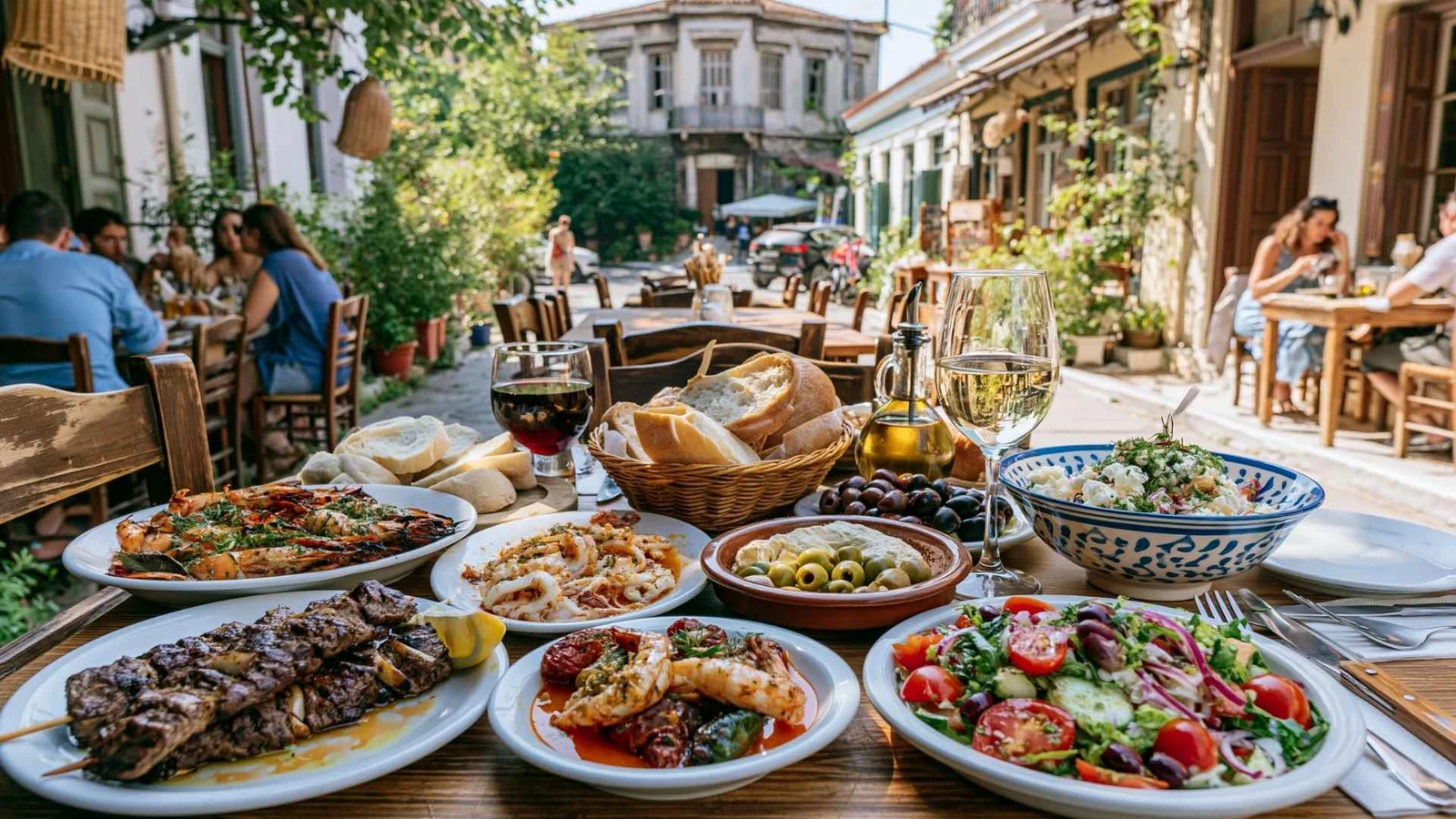
Athens is known for moussaka (layered eggplant and minced meat with béchamel), souvlaki (grilled meat skewers), spanakopita (spinach pie in phyllo pastry), Greek salad with feta and Kalamata olives, gyros, dolmades (stuffed grape leaves), tzatziki, and baklava. These dishes represent the core of traditional Athenian cuisine, served across the city from casual street stands to established tavernas, best experienced during lunch or dinner hours between noon and 22:00.
The city's culinary identity was forged in working-class neighborhoods where cooks transformed simple ingredients — olive oil, lemon, oregano, feta — into dishes that now define Greek gastronomy worldwide. Moussaka emerged as the national casserole, its layers of fried eggplant, spiced meat, and creamy béchamel requiring hours of preparation in traditional kitchens. Souvlaki evolved from ancient Greek street food into the modern wrapped pita version, grilled over charcoal and served with tomato, onion, and tzatziki.
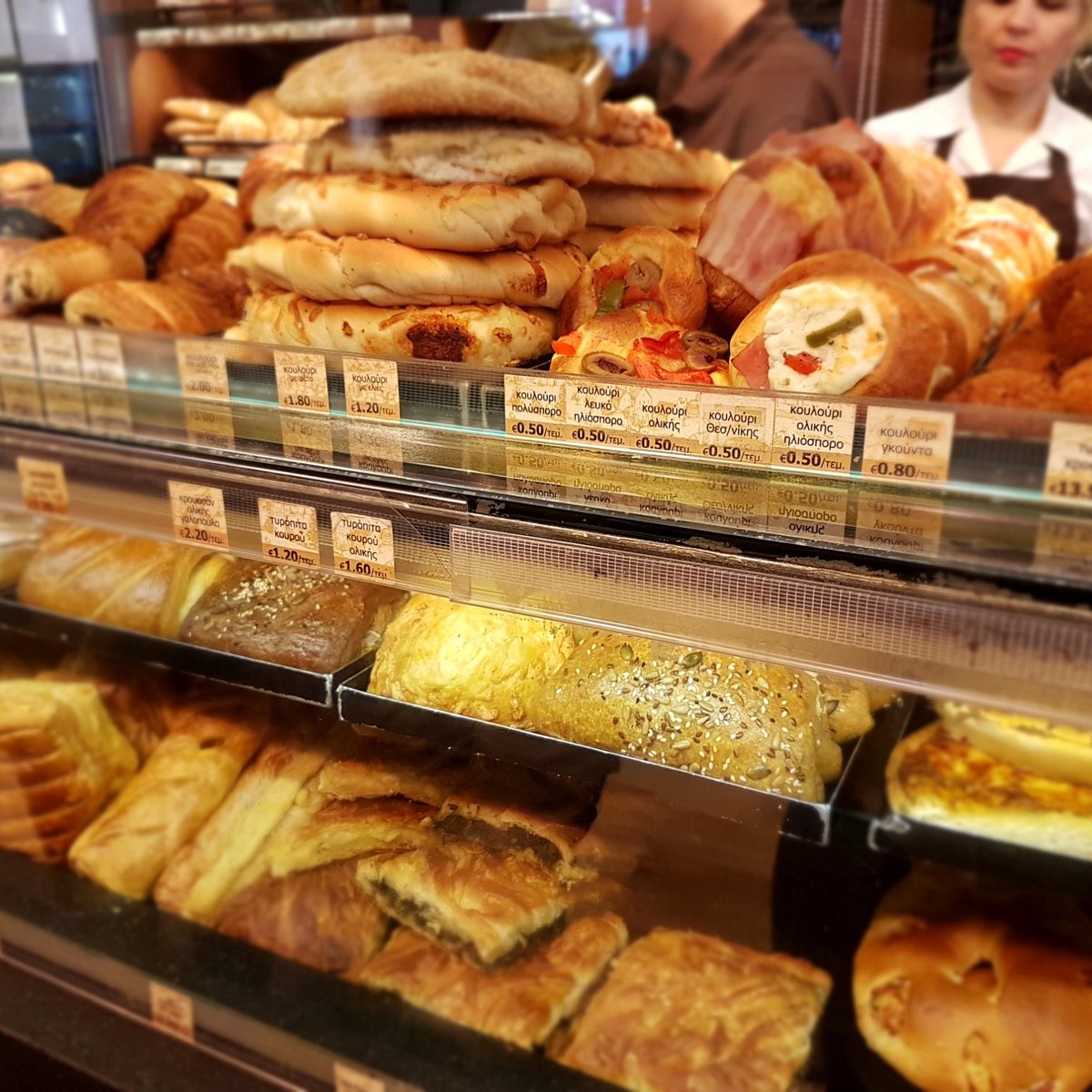
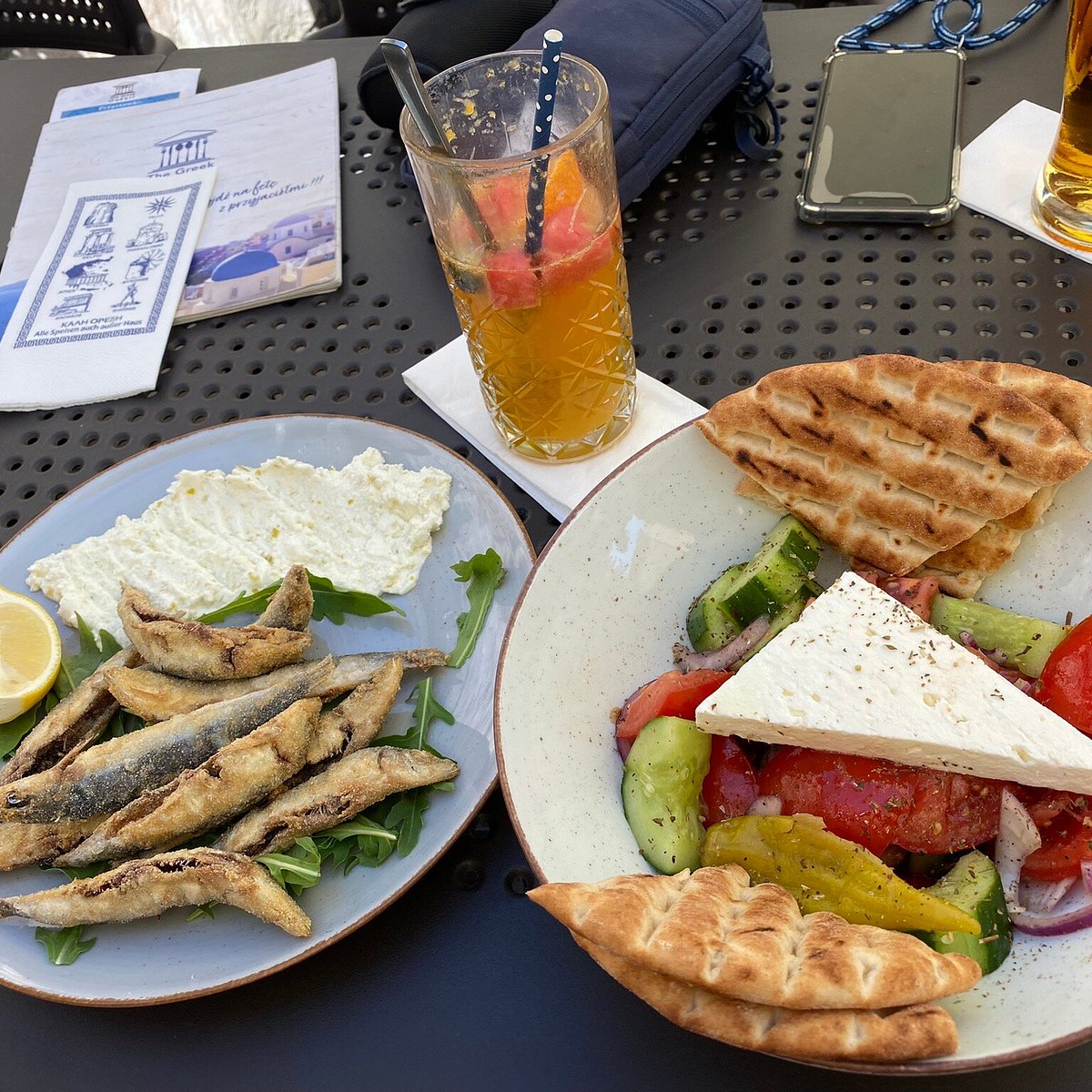
What food is Athens known for reflects the practical wisdom of Mediterranean cooking: phyllo pastry wrapped around wild greens for spanakopita, vine leaves stuffed with rice and herbs for dolmades, yogurt mixed with cucumber and garlic for tzatziki. The Greek salad — horiatiki in local dialect — arrived at tables without lettuce, built instead on ripe tomatoes, cucumbers, onions, olives, and a slab of feta drizzled with olive oil. Gyros, the vertical spit-roasted meat shaved into pita, became synonymous with fast Athenian lunch culture.
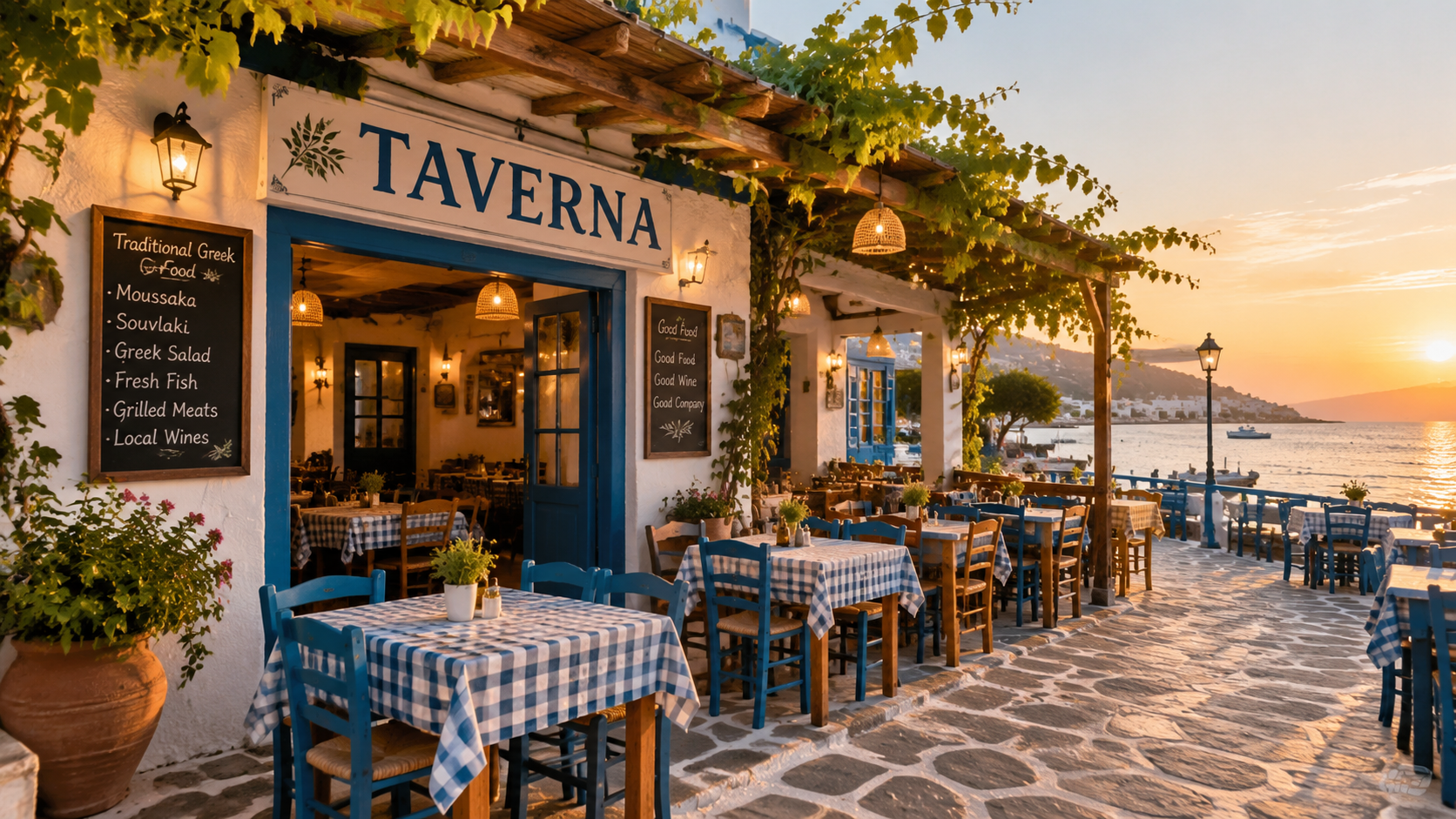
The city's tavernas preserve recipes passed through generations, while modern establishments reinterpret classics with contemporary technique. Ingredients matter: Dodoni feta, Koroneiki olive oil, mountain oregano, Kalamata olives. Baklava closes meals with layers of phyllo, walnuts, and honey syrup, a sweet that traces its roots to Byzantine kitchens. Loukoumades — fried dough balls soaked in honey — appear on dessert menus alongside galaktoboureko, the semolina custard pie.
Understanding what food is Athens known for means recognizing how geography shaped the menu. Proximity to the Saronic Gulf brought octopus and sea bass to grills. The Attica plains supplied wheat for bread and phyllo. Olive groves on surrounding hillsides provided the oil that binds nearly every dish. The best arrival window for experiencing this cuisine runs from noon through evening, when tavernas fill with locals and kitchens operate at full capacity, serving the dishes that have defined the capital's tables for generations.