
English| EUR
Suggested for you
More currencies
Choose a language
Athens offers remarkable value for visitors who know where to look. From €3 street gyros to refined modern Greek cuisine, the city's dining landscape spans every budget tier without sacrificing quality or authenticity.
Quick answer
The cost of food in Athens typically ranges from €8–15 for a casual taverna meal to €25–40 per person at mid-range restaurants, while street food runs €3–6. Fresh produce at central markets costs substantially less than tourist-zone eateries, and lunch menus offer better value than dinner service at the same establishments.
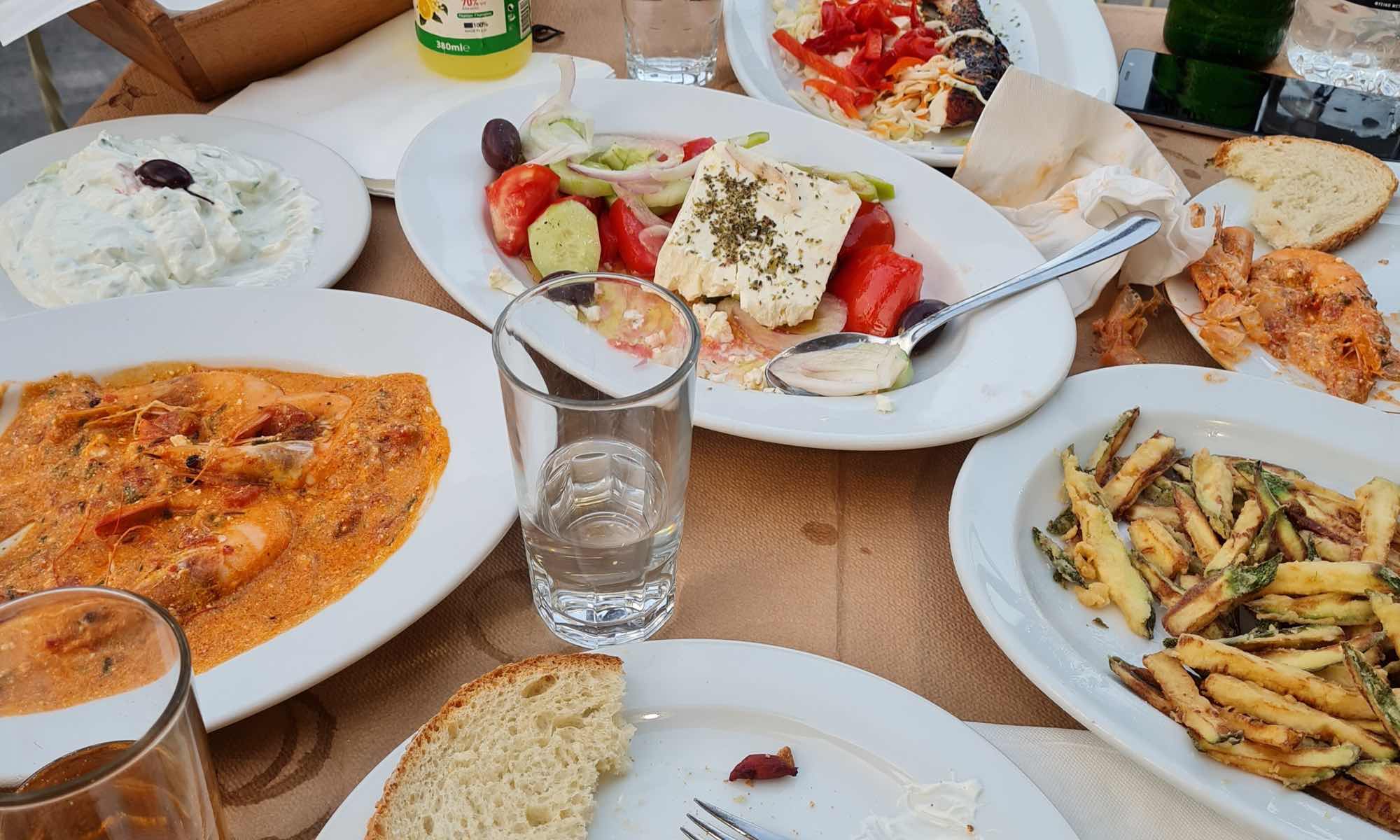
Athens operates on two parallel food economies. Tourist corridors around Syntagma and Monastiraki charge premium rates—a Greek salad that costs €4.50 in Kypseli runs €9 in Plaka—while residential neighborhoods maintain prices locals actually pay. The differential isn't about quality; many of the city's best kitchens sit blocks from the Acropolis in quarters visitors rarely explore. Meal pricing follows predictable patterns tied to location and service style. A souvlaki plate with pita, tzatziki, and fries costs €8–10 at neighborhood psistariés, the no-frills grill houses where Athenians eat twice weekly. Sit-down tavernas in Pangrati or Exarchia charge €12–18 for grilled fish or moussaka with house wine included. Modern restaurants in Koukaki and Metaxourgio, where chefs reinterpret regional recipes, price mains at €18–28. The city's handful of fine-dining establishments—Funky Gourmet, Spondi—command €80–120 per person, but that tier represents less than two percent of the dining scene. Street food delivers the most dramatic value. Koulouri vendors sell sesame bread rings for €0.80. Loukoumades stands fry honey-drizzled dough balls at €4 per portion. The triangular tyropita from any good bakery—phyllo wrapped around feta, still warm—costs €2.50 and functions as breakfast for a third of the city. Central Market stalls sell olives by weight, fresh figs in season, and aged graviera cheese at prices supermarkets elsewhere charge for industrial substitutes. Timing affects cost as much as location. Lunch menus at quality tavernas run €10–14 for three courses, the same plates that appear on dinner menus at €22–30. Most kitchens serve continuously from noon until late evening, but the designated lunch window—roughly 13:00 to 16:00—triggers lower pricing and faster turnover. Weekend evenings in Psyrri or Gazi add a modest premium, though never approaching the markups common in other European capitals. Water arrives free and unasked; Greeks consider charging for tap water a minor moral failing.
“A souvlaki plate with pita, tzatziki, and fries costs €8–10 at neighborhood psistariés, the no-frills grill houses where Athenians eat twice weekly.”
Dining in Athens accommodates a wide range of budgets, from affordable street food staples to traditional taverna meals. Travelers can easily manage costs by balancing casual snacks with occasional sit-down dining experiences.
How to spend less
Verdict: A daily food budget typically ranges from 35 EUR for budget-conscious travelers to 60 EUR or more for those seeking comfortable sit-down dining.
The best arrival window for dining in Athens is 12:00–22:00, which aligns with local service hours to ensure access to full menus. Visiting during these times helps manage food costs by avoiding venues that may prioritize tourist-driven pricing outside of standard meal periods.
Mild, 15°C to 23°C
Outdoor dining is comfortable and menus are seasonal.
Pleasant, 18°C to 26°C
Ideal weather for visiting tavernas without peak summer surges.
—
Dining between 12:00 and 17:00 provides access to lunch menus at local prices.
—
Arriving for dinner after 20:00 ensures a local atmosphere and full menu availability.
Verdict: The best time for optimal food access and value is Tuesday to Thursday, arriving within the 12:00–22:00 window during April or October.
Dining establishments in Athens generally maintain continuous operations throughout the week to accommodate visitors. Most eateries remain accessible daily.
Navigating Athens dining requires understanding local customs regarding gratuity and strategic ordering to manage expenses effectively.
In casual tavernas, rounding up the bill or leaving a small cash tip of five to ten percent is sufficient. Service charges are rarely mandatory, so check the bill before adding extra gratuity.
Opt for bulk house wine served in carafes rather than bottled varieties to significantly lower your meal cost. Quality is typically consistent across local establishments and provides better value.
Waiters often bring bread and bottled water to the table automatically. These items carry a charge, so decline them politely if you prefer not to pay for extras.
Consider ordering small plates or mezedes for sharing to sample variety while controlling your total spend. This approach allows you to taste more flavors without committing to multiple main courses.
Walk a few blocks away from major archaeological sites or central squares to find eateries with more competitive pricing. Prices often decrease as you move into residential neighborhoods.
Everything you need to know about cost of food in athens
Travelers typically find that daily expenses remain manageable, though the total cost of food in Athens depends on your preference for street food versus sit-down tavernas. Prices for local staples like souvlaki are quite affordable compared to many other European capitals. Planning ahead allows you to allocate your funds effectively between quick bites and full meals.
Dining out in Greece offers diverse options ranging from budget-friendly gyro shops to upscale rooftop restaurants. While the cost of food in Athens varies by establishment, many traditional tavernas provide high-quality Mediterranean dishes at accessible price points. Exploring areas away from the major tourist hotspots often reveals excellent value.
There is no central entrance fee for dining at local eateries, meaning you only pay for what you consume. This zero-cost entry policy makes it easy to sample various spots throughout the city without additional overhead. Remember that the cost of food in Athens remains tied strictly to the menu items you select.
The optimal time for lunch or dinner service across various local eateries is between 12:00 and 22:00. Arriving during this window ensures you have access to the freshest ingredients and full menu availability. Planning your visits during these hours helps you navigate the city's vibrant food scene smoothly.
A casual lunch featuring local specialties typically costs significantly less than a full dinner experience. Since the cost of food in Athens is influenced by the type of service, opting for street food or casual mezze plates is a great way to manage your budget. Daily specials often provide the most economical way to enjoy authentic flavors.
Price points can fluctuate based on the proximity to major landmarks or popular tourist zones. You will generally find that moving just a few blocks away from busy pedestrian streets can lead to more favorable pricing for similar quality meals. Staying flexible with your dining choices helps you enjoy the variety of the city while keeping expenses balanced.
Eat Like a Local in Athens
Read more GuideWhat Food Is Athens Known For?
Read more Tickets & toursWalking Food Tours in Athens
Read more GuideAthens Food Tours with Kids
Read more Tickets & toursPlaka Food Tours
Read more Tickets & toursPrivate Athens Food Tours
Read more Tickets & toursEvening Food Tours
Read more